
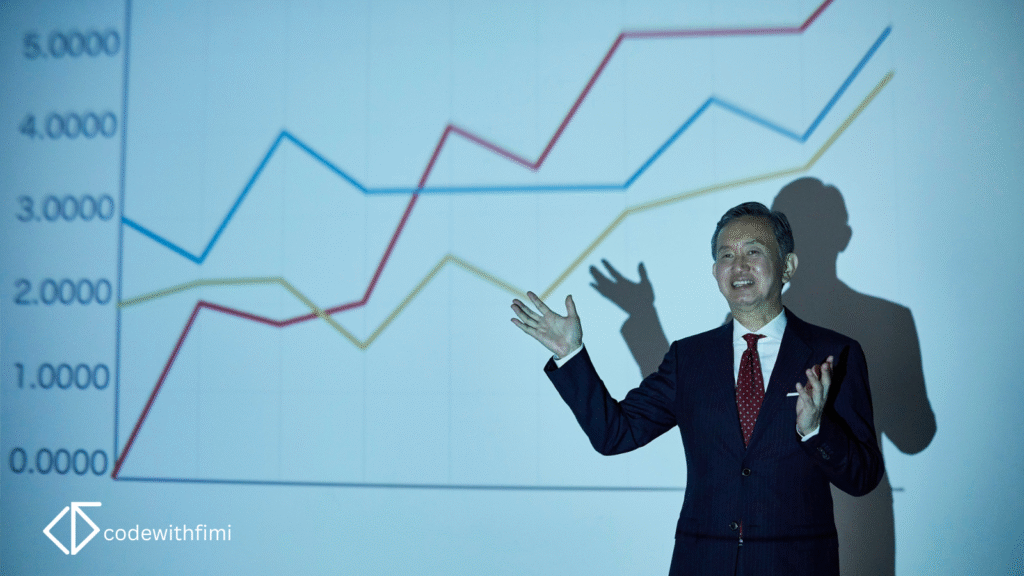
In today’s data-driven world, it’s not enough to collect data. You have to see it. Data visualization helps transform complex numbers into meaningful insights, making patterns and trends easier to understand.
But what happens when the data gets big: millions of rows, multiple variables, and messy formats? That’s where Python’s visualization libraries come in.
In this guide, we’ll explore how to visualize big data with Python, using two of the most popular libraries (Matplotlib and Seaborn) with practical examples and tips you can apply right away.
1. Why Visualizing Big Data Matters
When working with large datasets, visualization is crucial for:
- Detecting trends and anomalies.
- Understanding relationships between variables.
- Communicating insights to non-technical audiences.
Big data visualization helps analysts and data scientists quickly spot what matters, turning endless spreadsheets into actionable knowledge.
2. Python Libraries for Big Data Visualization
Python offers several libraries for creating professional visualizations, but Matplotlib and Seaborn are the most powerful for handling large datasets efficiently.
Matplotlib
Matplotlib is the go-to library for plotting graphs in Python. It provides flexibility and control over every element in your chart.
Example: Basic Line Plot
import matplotlib.pyplot as plt
import numpy as np

x = np.linspace(0, 10, 1000)
y = np.sin(x)

plt.figure(figsize=(10, 5))
plt.plot(x, y, color='teal', linewidth=2)
plt.title("Sine Wave Visualization")
plt.xlabel("X-axis")
plt.ylabel("Y-axis")
plt.show()
Use plt.figure(figsize=(width, height)) and linewidth to make visuals cleaner and scalable for large data.
Seaborn
Seaborn is built on top of Matplotlib and offers an easier, more elegant syntax for creating statistical graphics.
Example: Visualizing Data Distributions
import seaborn as sns
import pandas as pd

# Load a sample dataset
df = sns.load_dataset("diamonds")

# Visualize the relationship between price and carat
sns.scatterplot(data=df, x="carat", y="price", hue="cut", alpha=0.6)
plt.title("Price vs Carat (Colored by Cut)")
plt.show()
Use the hue parameter in Seaborn to color-code large datasets. This makes patterns easier to detect.
3. Tips for Handling Big Data in Visualization
Visualizing huge datasets can be tricky. Here’s how to make it efficient and readable:
- Sample Your Data: Use a subset for visualization (
df.sample(n=5000)), especially when data is too large. - Aggregate Metrics: Summarize data using
groupby()or pivot tables before plotting. - Use Color Wisely: Avoid overusing bright colors. Focus on contrast and readability.
- Optimize Performance: Libraries like Datashader or Vaex can handle millions of rows interactively.
4. Combining Matplotlib and Seaborn for Powerful Visuals
You can combine both libraries to create advanced visuals.
Example:
plt.figure(figsize=(10, 6))
sns.kdeplot(data=df, x="carat", y="price", fill=True, cmap="viridis")
plt.title("Density Plot: Carat vs Price")
plt.xlabel("Carat")
plt.ylabel("Price")
plt.show()
This blend of Matplotlib customization with Seaborn’s statistical beauty gives you the best of both worlds.
5. Real-World Example: Visualizing Sales Trends
Imagine you’re analyzing a company’s sales dataset containing millions of records.
You can start with an aggregated plot like:
sales_summary = df.groupby('month')['sales'].sum().reset_index()
sns.lineplot(data=sales_summary, x='month', y='sales', marker='o')
plt.title("Monthly Sales Trends")
plt.show()
Such visualizations help business teams instantly understand growth patterns and seasonal changes.
Data visualization isn’t just about making charts, it’s about telling a story.
With Python’s Matplotlib and Seaborn, you can turn massive, messy datasets into visuals that inform and inspire decisions.
If you’re ready to explore more projects, tutorials, and real datasets to practice with, check out
codewithfimi.com.
FAQ
1. Can Python handle large datasets for visualization?
Yes, Python can handle large datasets efficiently, especially when you use libraries like Pandas, Matplotlib, Seaborn, and Datashader for optimized rendering.
2. What’s the difference between Matplotlib and Seaborn?
Matplotlib provides more control and flexibility for customization, while Seaborn simplifies complex visualizations with fewer lines of code and built-in statistical tools.
3. How do I avoid slow performance when plotting big data?
Use sampling, aggregation, or libraries like Vaex or Datashader to render visuals faster without crashing your system.
4. Is Seaborn good for beginners?
bsolutely! Seaborn’s simple syntax and clean aesthetics make it perfect for beginners who want professional-looking visuals without too much code.