
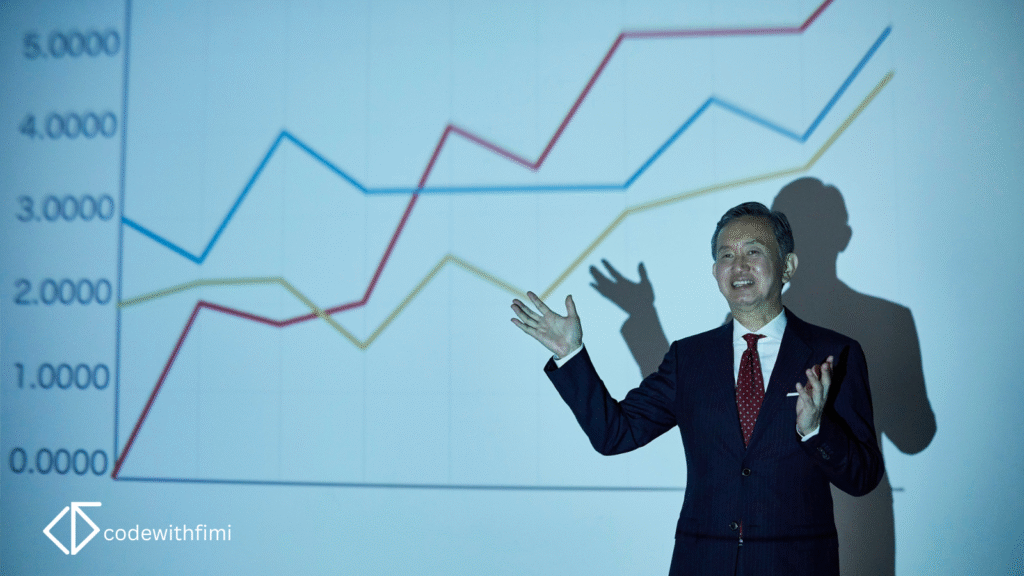
Not every insight in a business report is real.
Some look impressive.
Some sound intelligent.
Some are backed by charts.
But many are misleading, incomplete, or simply wrong.
Here’s how smart data analysts and business leaders spot fake insights before they influence bad decisions.
What Is a “Fake Insight”?
A fake insight is not always intentional.
It’s usually:
- A conclusion without proper evidence
- A chart without context
- A metric taken out of scope
Fake insights feel convincing and that’s what makes them dangerous.
1. The Insight Has No Clear Business Question
Real insights answer a question.
Fake insights sound like:
- “Sales increased significantly”
- “Customers are more engaged”
- “Performance improved this quarter”
If you can’t answer “so what?”, it’s not an insight.
2. No Time Comparison Is Shown
Insights without comparisons are meaningless.
Always ask:
- Compared to when?
- Compared to what?
- Compared to who?
A number without context is just a number.
3. The Chart Looks Fancy but Explains Nothing
Visuals can hide weak thinking.
Red flags:
- Overloaded dashboards
- 3D charts
- Too many colors
- No annotations
If a chart needs explanation but provides none, be cautious.
4. Percentages Are Used Without Base Numbers
This is a classic trick.
Examples:
- “Engagement increased by 200%”
- “Revenue dropped by 50%”
Always ask:
- 200% of what?
- From how many users?
- Over what time period?
Small bases create big-sounding lies.
5. Correlation Is Treated as Causation
Just because two things move together doesn’t mean one caused the other.
Fake insight example:
“Sales increased after the redesign, so the redesign caused growth.”
Without testing or controls, this is speculation and not insight.
6. Key Assumptions Are Hidden
Every analysis has assumptions.
Fake insights:
- Don’t state assumptions
- Ignore data limitations
- Skip edge cases
Good analysts explain what might be missing.
7. Averages Hide Important Details
Averages can mask reality.
Example:
- “Average customer satisfaction is 8/10”
But:
- Some customers may be unhappy
- Others extremely satisfied
Always look for:
- Distributions
- Segments
- Outliers
8. The Insight Can’t Be Reproduced
If you can’t trace:
- The data source
- The filters
- The logic
Then the insight is weak.
Real insights are repeatable and transparent.
9. The Recommendation Doesn’t Match the Data
Fake insights often end with:
- Generic recommendations
- Actions not supported by evidence
If the data doesn’t clearly justify the decision, the insight is forced.
Why Fake Insights Survive in Organizations
Because:
- Stakeholders trust visuals
- Reports are rushed
- Nobody questions assumptions
- Confidence is mistaken for accuracy
This is where good analysts stand out.
How to Protect Yourself From Fake Insights
Before trusting any report, ask:
- What question is being answered?
- What’s the comparison?
- What assumptions exist?
- What data might be missing?
- Would this conclusion hold if conditions change?
Critical thinking beats fancy dashboards.
Good insights:
- Are simple
- Are explainable
- Survive questions
Fake insights collapse under scrutiny.
The best analysts don’t just analyze data, they protect decision-makers from bad conclusions.
FAQs
1. What is a fake insight in data analysis?
A conclusion that sounds logical but isn’t properly supported by data.
2. Can charts be misleading even if the data is correct?
Yes. Poor context, scales, or interpretations can mislead.
3. Why do fake insights happen so often?
Because of bias, time pressure, and lack of data validation.
4. How can beginners avoid creating fake insights?
By validating assumptions, checking context, and explaining calculations clearly.
5. Are fake insights always intentional?
No. Most are unintentional mistakes, not deliberate manipulation.